Commercial exhaust systems are the unsung heroes of modern businesses. They scrub our kitchens, purify our labs, and ensure that the air we breathe is at least marginally less questionable than the exhaust coming from a dumpster fire. However, these vital systems are not immune to contamination. When we talk about the operational lifespan of these ducts, we must also talk about the often-overlooked issue of biological buildup. Failing to address this issue can turn a simple maintenance task into a serious public health risk. Understanding how to effectively manage biohazard risks in commercial exhaust systems is not just good practice; it is a critical component of occupational safety and regulatory compliance.
Understanding the Threat: What Are Exhaust Biohazards?
When exhaust air travels through commercial ducts, it acts like a biological highway, carrying more than just cooking grease or dust. It collects a diverse cocktail of organic materials, making the entire system a potential breeding ground for pathogens. These biohazards are not always visible, which is perhaps the most unsettling part. They can range from common mold and mildew to more concerning pathogens like Legionella, which thrive in moist, warm environments—the exact conditions found inside poorly maintained ductwork.
Sources of Contamination
The materials that contaminate an exhaust system are diverse, depending heavily on the nature of the commercial establishment. Knowing the source helps in developing a targeted mitigation strategy.
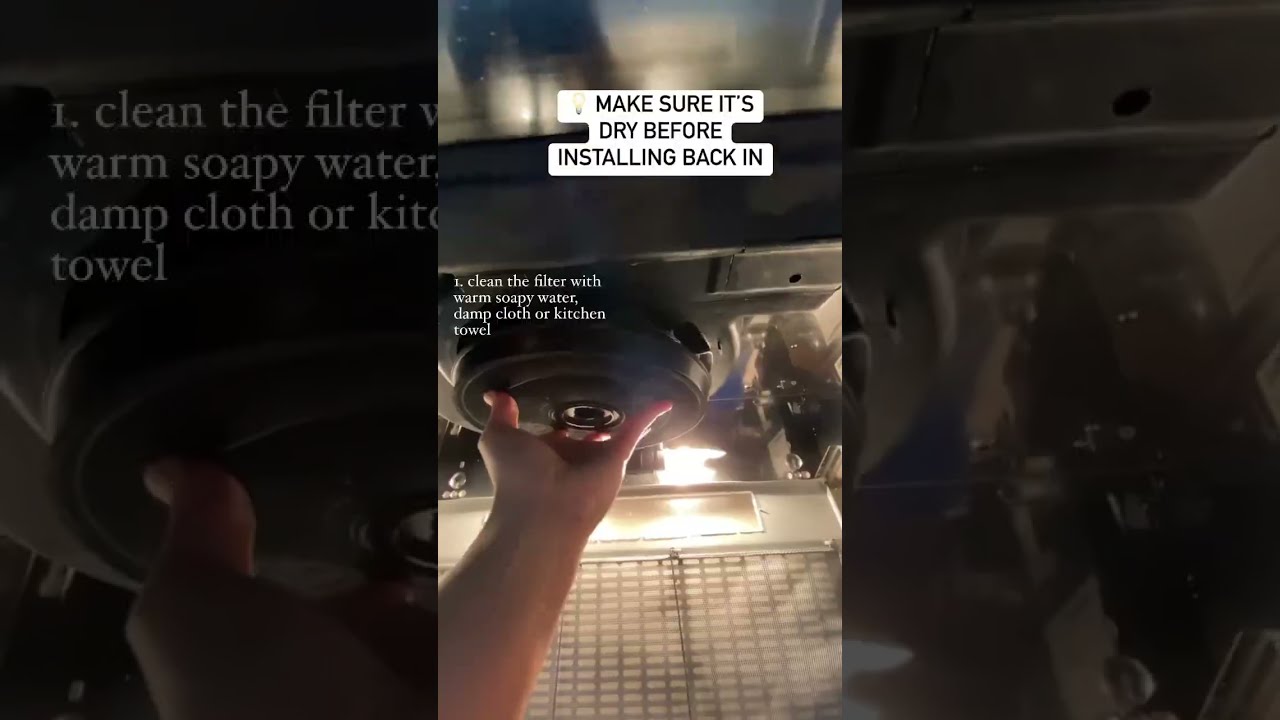
- Kitchens and Food Service: Grease, food particles, and general humidity create ideal conditions for mold and bacterial growth. Laboratories and Healthcare Facilities: These environments introduce specialized biological waste, requiring stricter protocols. Industrial Settings: Depending on the processes, dust containing heavy metals or other industrial byproducts can settle and mix with organic material, creating complex biohazards.
The Health and Safety Implications
Neglecting these risks is akin to ignoring a ticking biological time bomb. The primary concerns are:

- Air Quality Degradation: Pathogen release into the working environment, leading to respiratory illnesses. System Failure: Biofilm buildup can clog ductwork and filtration units, leading to costly operational shutdowns. Legal Liability: Failure to maintain a safe environment can expose businesses to significant fines and legal action.
Strategic Mitigation: Best Practices for Preventing Contamination
Successfully managing biohazard risks in commercial exhaust systems requires a proactive, multi-layered approach. It cannot simply be an annual deep clean; it must be integrated into the facility's operational DNA. Think of preventative maintenance not as a cost, but as an insurance policy against catastrophic failure and illness.
Routine Inspection and Monitoring
The first line of defense is meticulous observation. Regular inspections should go beyond a simple visual check of grease buildup. Trained professionals must inspect:
- Drainage Points: Ensuring that condensate pans and drains are properly sloped and not clogged, preventing stagnant water buildup. Filtration Media: Checking for signs of microbial growth or excessive saturation. Structural Integrity: Looking for cracks or areas where moisture could penetrate the metalwork, allowing mold to take root.
The Role of Specialized Cleaning Protocols
Standard cleaning methods are often insufficient when dealing with entrenched biohazards. Specialized cleaning is paramount.
- Chemical Treatment: Using industrial-grade, non-corrosive disinfectants designed to kill specific pathogens while remaining safe for the system materials. Physical Removal: High-powered vacuuming and mechanical scrubbing are necessary to remove biofilms and sludge that chemicals alone cannot penetrate. Steam Cleaning: Utilizing high-pressure steam can effectively sterilize surfaces and remove grease residues that act as nutrient sources for mold.
Anecdote: I once worked with a hotel chain that had a persistent, foul odor coming from their kitchen exhaust system, even after a routine cleaning. The technicians, relying only on visible grease, missed a section of ductwork where condensation was pooling and cultivating a severe Pseudomonas biofilm. By adjusting their protocol to focus on moisture mapping, they successfully eradicated the source, proving that sometimes, what you don't see is the biggest problem.
Advanced Strategies for Long-Term Risk Control
Effective managing biohazard risks in commercial exhaust systems is a continuous cycle of assessment, cleaning, and improvement. Simply cleaning the ducts is only half the battle; the other half is controlling the environment that allows the hazards to grow.
Optimizing System Design and Operation
Sometimes, the best solution is not cleaning, but redesigning. Are the systems operating at peak efficiency?
- Proper Ventilation Flow: Ensuring that exhaust fans are sized correctly for the volume of air being processed prevents negative pressure pockets where moisture can linger. Condensate Management: Implementing systems that actively drain and treat condensate water prevents the formation of standing water—the perfect petri dish for pathogens. Material Selection: Using materials that are inherently resistant to corrosion and mold growth can drastically reduce maintenance effort.
Employee Training and Compliance
Finally, human factors play a massive role. Every employee that interacts with the system—from kitchen staff to maintenance crews—must be aware of biohazard protocols.
"Prevention is better than cure, and in the world of industrial hygiene, prevention is a full-time job."
A facility’s commitment to compliance should be total. Do staff know how to properly dispose of contaminated filters? Are maintenance crews using the correct Personal Protective Equipment (PPE)? These small details are the bedrock of a safe operation.
Building a Culture of Safety and Maintenance
Think of your exhaust Watch here system as the circulatory system of your business. If it clogs, the whole body suffers. A robust maintenance schedule is the only way to ensure that flow remains healthy and safe. We must shift our perspective from viewing cleaning as a reactive expense to seeing it as a critical investment in public health and operational continuity.
By integrating specialized cleaning, advanced monitoring, and strict operational protocols, facility managers can turn a potential liability into a model of safety. Are you confident that your current maintenance schedule truly accounts for the invisible, microbial dangers lurking within your ductwork?
To truly master managing biohazard risks in commercial exhaust systems, adopt a mindset of continuous vigilance. Partnering with certified industrial hygienists who specialize in this niche area ensures that you are not just cleaning ducts, but safeguarding your entire operation.
For actionable steps, prioritize the following areas in your next audit:
- Water Source Control: Identifying and mitigating all sources of standing water. Disinfectant Verification: Ensuring that all cleaning agents used are EPA-registered for biohazard control. Documentation: Maintaining a rigorous, traceable log of all cleaning and inspection activities.
By making these systemic changes, you ensure that the exhaust system remains a functional conduit, rather than a biological hazard.