The kitchen rangehood is arguably the unsung hero of your culinary adventures. It’s the powerful vacuum cleaner that diligently captures the smoke, steam, and particulate matter generated when you sear scallops or boil a massive pot of pasta. But like any hardworking appliance, it accumulates grime, and if left unchecked, that grime can transform from mere kitchen residue into a genuine household hazard. So, if you’ve ever wondered, "how often should I deep clean my rangehood?" you are asking the right question. Ignoring this chore is like letting a powerful car run on sludge—eventually, something is going to sputter, stall, or worse. This comprehensive guide will answer that question, detailing not only the frequency but also the exact steps needed to keep your ventilation system running like new, ensuring your kitchen remains a clean, safe, and enjoyable space.
Understanding the Hidden Dangers of a Dirty Rangehood
Before diving into the schedule, it is crucial to understand why this cleaning process is so vital. A dirty rangehood is not just an aesthetic problem; it is an operational, health, and safety concern. The greasy film that builds up over time acts like an insulating blanket, trapping more pollutants and making the appliance work harder than it should.
The Health Implications of Grease Buildup
When cooking, you are generating more than just delicious aromas. You are releasing volatile organic compounds (VOCs), microscopic grease particles, and smoke. These substances, if trapped and re-circulated by a sluggish fan, can impact indoor air quality. Over time, the buildup of these pollutants can contribute to respiratory issues, especially for those with sensitivities. Are you really sure the air quality in your home is as fresh as you think it is?

The Efficiency and Fire Hazards of Neglect
The most critical concern is performance. Grease buildup clogs filters and restricts the airflow pathways. This forces the motor to draw more power to achieve the same level of suction, leading to inefficiency and overheating. Furthermore, a thick, accumulated layer of grease is highly flammable. This is https://pastelink.net/ca2funeo not an exaggeration; it is a serious fire hazard.
I once knew a friend whose rangehood was so coated in years of cooking grease that when he finally decided to replace the filters, the sheer amount of residue was alarming—it was less like kitchen grime and more like amber-colored varnish. This anecdote serves as a stark reminder that neglect can turn a simple chore into a safety issue.
Determining the Optimal Cleaning Schedule
So, after understanding the risks, let’s tackle the main question: how often should I deep clean my rangehood? The answer isn't a one-size-fits-all rule; it depends heavily on your lifestyle and cooking habits.
The Impact of Usage Level
Your cleaning frequency should be dictated by the intensity of your kitchen use. We can categorize usage into three general levels:
- Low Use (1-2 times per week): If you primarily use the stove for simple meals (toast, boiling water), a deep clean might be necessary every 6–9 months. Medium Use (3-5 times per week): For typical families cooking dinner most nights, aim for a deep clean every 3–4 months. Heavy Use (Daily, professional cooking): If you frequently deep-fry, sear meats, or cook elaborate meals daily, you should treat deep cleaning as a seasonal ritual—at least every 2–3 months.
"The best preventive measure is the one that keeps the machine running smoothly." – A reliable appliance expert, who advises that proactive maintenance is always cheaper than reactive repairs.
Seasonal Deep Cleaning Checklist
Regardless of your daily usage, incorporating a comprehensive deep clean into your seasonal routines is non-negotiable. Consider it part of your home’s preventative maintenance schedule.
- Spring: Prime time for a major deep clean. The air is fresh, and the appliances are ready for the busy season. Fall: Ideal for a comprehensive check before the holiday cooking marathon begins. Summer: A quick mid-season checkup to remove the residue built up from grilling and outdoor cooking fumes.
The Deep Cleaning Process: A Step-by-Step Guide
Knowing when to clean is only half the battle; knowing how to clean is the other half. This process requires minimal tools but maximum caution.
Preparing Your Toolkit
Before you begin, gather your supplies. Do not attempt this cleaning with just soapy water; you need specific materials to cut through years of baked-on grease.
- Dish soap (degreaser action) Baking soda (mild abrasive and deodorizer) White vinegar (natural disinfectant) Old towels and sponges Gloves and a mask (for safety)
Cleaning the Filters and Vents
The filters are the easiest parts to tackle, but they are often the dirtiest.
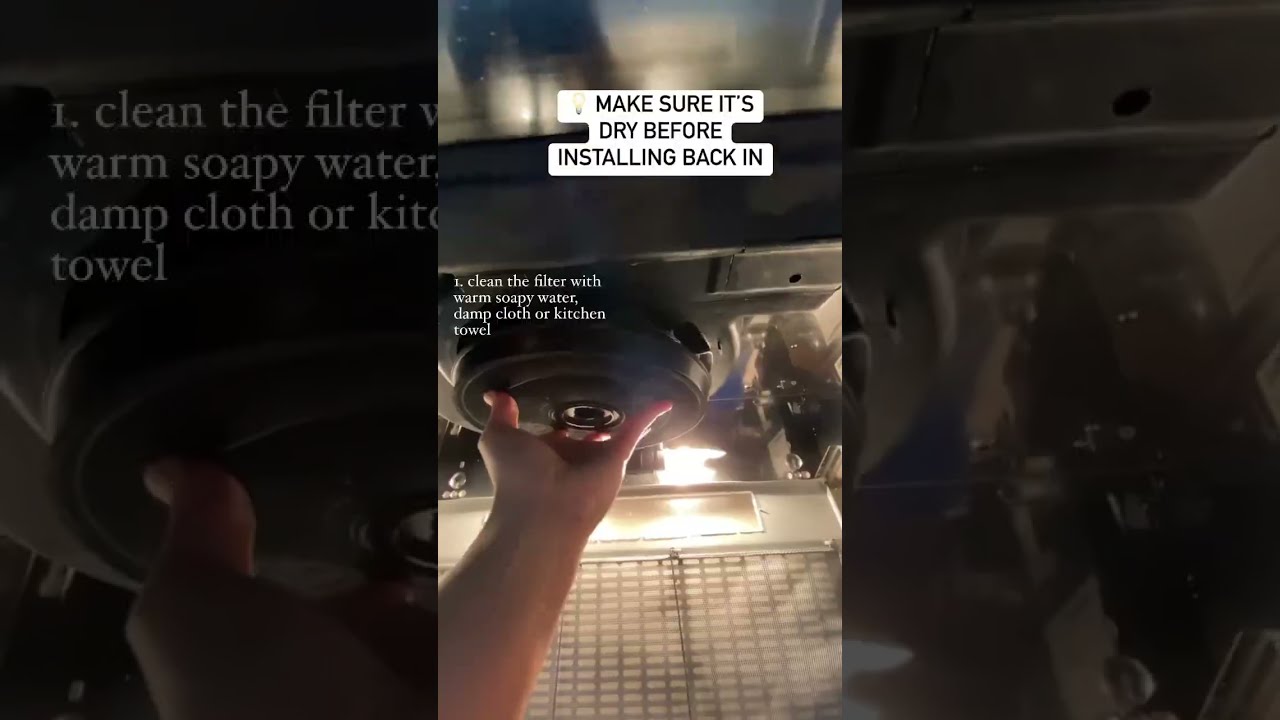
- Removal: Carefully remove the grease filters. Soaking: Soak them in a mixture of hot water, a few cups of dish soap, and a generous scoop of baking soda for at least 30 minutes. Scrubbing: Use a stiff brush to scrub away the softened grease. Rinsing: Rinse thoroughly under hot running water until all soap residue is gone.
Cleaning the Housing and Motor Area
The actual casing and the motor area require more care. Use a diluted vinegar and water solution to wipe down the entire housing. Never allow liquid to enter the motor components. Remember, this process is like polishing a priceless artifact—gentle, thorough, and systematic.
Building a Maintenance Habit for Longevity
Thinking about how often should I deep clean my rangehood? should become a routine consideration, not a chore you put off until a visible crisis occurs. By integrating deep cleaning into your seasonal checklist, you aren't just cleaning an appliance; you are safeguarding your home’s air quality and preventing costly, dangerous repairs.
A clean rangehood works silently, efficiently, and safely, making your kitchen a truly enjoyable place to gather. By committing to this maintenance habit, you ensure that every culinary adventure is accompanied by clean, fresh, and reliable airflow.
To keep your kitchen air pure, schedule your deep cleaning quarterly, and always remember to inspect the motor area for any signs of excessive heat or burning smells. A little preventative elbow grease goes a long way toward keeping your kitchen running smoothly for years to come.