There is a moment in every acquisition where the spreadsheets blur and you look up at the roofline, the yard, the drains, and think: what is really under this place? That moment is environmental due diligence. In London, Ontario, where light manufacturing, warehousing, and legacy automotive supply chains sit beside new infill residential and tech, that question can shape value more than any EBITDA multiple. I have watched small issues balloon into seven-figure liabilities, and I have seen buyers turn perceived risk into bargaining power by doing the work early and well.
Environmental due diligence is not a checkbox. It is a sequence of judgments. The right sequence depends on the property, the seller’s history, the lenders in the room, and the pace of the deal. If you plan to buy a business in London and the operation touches soil, water, or the air above the roof, you need a view that is deeper than the broker’s data room. This is the deep dive, version 2.0, because the landscape has changed. Standards have tightened. Lenders have grown more conservative. Insurance carriers ask better questions. And regulators share more data than five years ago, if you know where to look.
Why the stakes keep growing
Environmental liability in Ontario follows the polluter, but it can also follow the land. A “clean” share purchase can still end up with operational liabilities if contamination migrates offsite or if approvals are out of date. Cost ranges have shifted, too. A Phase II that once cost 25,000 dollars can run closer to 40,000 to 60,000 in today’s market if multiple boreholes, vapor probes, and geophysics are needed. A soil and groundwater remediation that might have closed in under 300,000 dollars a decade ago can now land between 400,000 and 1.2 million, depending on plume size, depth, and offsite migration. None of this is a reason to walk away from a good company. It is a reason to approach diligence as an asset, not a hurdle.
If you search business for sale London, Ontario, you will find a mix: collision shops, food processors, cabinet makers, self-storage, logistics yards, and a surprising number of former dry cleaners repurposed as retail. Each niche has a distinct risk pattern. The best business broker London Ontario professionals, the ones who do repeat deals with lenders and private buyers, know those patterns and build timelines and terms that let the science catch up with the urgency.
What has changed since the first deep dives
Three shifts define the current environment:
First, vapor intrusion is now a front-row issue, not a footnote. If there is chlorinated solvent history near or onsite, buyers should expect sub-slab vapor sampling, not just soil and groundwater. Residential encroachment in London’s core makes this even more important. A site that was comfortable for industrial use might sit next to condos today. That changes risk and liability perception, even if standards still hinge on zoning.
Second, data and mapping tools have matured. The MECP’s Brownfields Environmental Site Registry, historic aerials, fire insurance plans, and the City’s sewer maps are accessible and increasingly complete. Good consultants build a site narrative from sources that were just folklore a decade ago. That narrative matters to your lender, especially if you are leveraging above 60 percent.
Third, cost of capital has risen, and lenders price environmental uncertainty more harshly. A deal that would have sailed through with a limited reliance letter now might require a full reliance package, step-in rights on remediation contracts, and a holdback. That friction is manageable if you design for it.
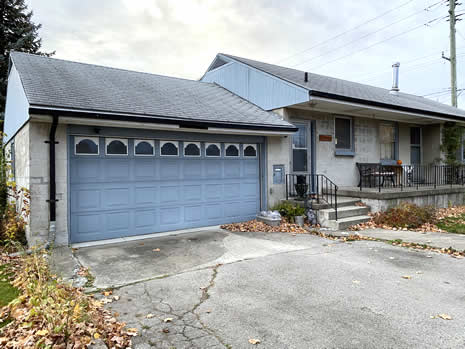
Anatomy of a smart environmental diligence sequence
It begins with scoping, not sampling. I want to see the decades-long story: who ran the site, who their neighbours were, what they stored behind the fence, and how the drainage flowed. A Phase I Environmental Site Assessment done to CSA/CCME standards is the baseline, but I read them for narrative quality, not box-ticking. The best Phase I’s explain uncertainty, not just list records.
For a light industrial or commercial acquisition in London, a sensible cadence looks like this:
- Start with internal knowledge capture. Ask the seller to identify where drums sat, where the compressor drained, whether there was a parts washer and which solvent, how often the interceptor was pumped, and who serviced the lift stations. I have seen more actionable detail in a 15-minute floor walk with the maintenance lead than in 200 pages of Phase I appendices. Run public records and historical imagery. In the London core, look carefully at past dry cleaners, autobody shops, printers, and metal finishers within one to two blocks. Chlorinated solvent plumes wander, and the court of public opinion does not care if contamination originated offsite when your brand is on the door. Pre-negotiate scopes. If your Phase I flags Recognized Environmental Conditions, build a conditional Phase II scope that can start within 72 hours of acceptance. Get three quotes, and make sure the consultants include utility locates and traffic control in their timeframes, or your “two-week” program turns into five. Tie diligence to financing. If your lender needs reliance letters from the environmental consultant, bake that into the contract. I have watched closings slide because reliance language had to be rewritten three times to satisfy a credit committee.
When you buy a business in London, timing is a chessboard. Sellers often prefer a share sale for tax reasons, while buyers prefer an asset deal to ring-fence risk. An asset deal does not immunize you from environmental exposure if you take the land or sign a long-term lease with operational responsibilities. It does, however, give you cleaner levers for holdbacks and indemnities. A share deal demands deeper comfort with legacy issues and stronger reps and warranties insurance, if the market supports it.
Reading a Phase I with a buyer’s eye
I look for gaps. Did the consultant interview the right people? Were adjacent properties properly characterized, or did they rely on outdated database entries? Was the site visit during operating hours, or on a quiet Saturday when no forklifts ran and no odors were present? If aboveground storage tanks are present, were they dated and inspected? Were floor drains traced, or just assumed to reach a sanitary line? The best reports have hand-sketched flow diagrams of drains, sumps, and separators. If your Phase I has glossy photos and generic language about “no visual staining,” but no analysis of waste manifests, probe harder.
Pay attention to the recommendations section. Some consultants over-recommend to reduce their risk. Others under-recommend to keep the client happy. Cross-check the logic. If a 1980s-era parts washer used chlorinated solvents, and the operator cannot produce manifests, then a recommendation that stops at “no further action” without sub-slab vapor sampling is not defensible. Conversely, if a consultant recommends six boreholes for a small forklift battery charging area with proper secondary containment and no evidence of spills, they may be padding. This is where experienced judgment saves both time and money.
The Phase II decision: when, how deep, how wide
There is an art to scoping a Phase II. Too light, and you end up with lingering questions that lenders hate. Too heavy, and you burn weeks and budget without increasing certainty. Site size, history, and hydrogeology drive the design. In London’s glacial till and sand lenses, groundwater direction can be counterintuitive. I have had sites where the expected gradient to the Thames was deflected by buried infrastructure and dense till layers, sending plumes southeast instead of west. Do not trust the topography alone.
An efficient Phase II tries to answer one key question: is there a contaminant of concern at concentrations and locations that create material risk to health, compliance, or deal value? That usually means a combination of shallow soil, deeper soil, groundwater, and, if solvents are in the story, vapor. Decision points include:
- Number and placement of boreholes. Start where risk vectors intersect: old storage areas, loading docks, sumps, former USTs, and down-gradient boundaries. Depth and sampling intervals. For hydrocarbons, you need to bracket the smear zone. For solvents, you may need to chase denser-than-water behavior, which can pool at depth. Laboratory suite. Don’t shotgun. Target petroleum fractions, PAHs, and metals for automotive and diesel histories, and chlorinated VOCs for dry cleaning and degreasing stories. Add PFAS only if the site history or industry suggests a reasonable possibility; PFAS analysis is expensive and still evolving in terms of standards. Vapor points and sub-slab sampling. If there are offices or retail areas above a former solvent use zone, this is non-negotiable.
A lean Phase II for a single-tenant light industrial building might run 30,000 to 50,000 dollars and wrap in three to four weeks. A complex multi-tenant site with mixed history and access constraints could push 80,000 to 120,000 and stretch to eight weeks. Build your LOI to allow for this.
Costing the what-ifs without scaring yourself out of a good deal
The most common mistake is binary thinking: it is clean or it is a disaster. Reality lives in the middle. Maybe there is a 15 by 20 meter zone of petroleum-impacted soil under a former tank, with concentrations just above commercial standards. That is not a deal killer. It is a lever. You can quantify excavation and offsite disposal with a narrow range, say 120,000 to 200,000 dollars, depending on depth and groundwater. You can negotiate a price reduction or a seller-funded remediation escrow. You can phase the work after closing if operations allow.
The scarier scenarios involve offsite migration, chlorinated solvents, and nearby sensitive uses like daycare or residential basements. When those show up, the remedy is still process, not panic. Bring in a second consultant for a peer scope, not a new Phase II yet, and push for rapid vapor mitigation measures where warranted. A simple sub-slab depressurization system can be installed for roughly 15,000 to 40,000 dollars for a modest footprint, buying time to plan long-term remediation. Lenders respond better to concrete mitigation plans than to vague assurances.
How experienced brokers keep deals on the rails
A seasoned business broker London Ontario teams with environmental and legal professionals early. They set expectations in the LOI around diligence timelines, access, and conditionality. They also manage disclosure discipline. Sellers often minimize issues out of fear. That backfires. A buyer who discovers a hidden separator or a buried drum loses trust, and the discount grows. The better pattern is controlled transparency: disclose known issues, present a history of maintenance and regulatory compliance, and propose a pragmatic path to resolution, with cost sharing.
If you are scanning a business for sale London, Ontario listing and the teaser says “immaculate facility,” ask for specifics. When were the oil-water separators last pumped, and by whom? Are manifests available for the past three years? Do they have a waste profile for spent solvent or paint booth filters? These are low-drama requests that reveal operational competence. A seller who can produce them quickly likely runs a tight ship.
The regulatory fabric in Ontario, without the alphabet soup
The Ministry of the Environment, Conservation and Parks sets soil, groundwater, and vapor standards for various property uses. The standards are nuanced. Industrial/commercial thresholds differ from residential, and background conditions matter. A Record of Site Condition is the formal pathway to change a property use to a more sensitive category, but most operating acquisitions do not need an RSC unless there is a redevelopment plan. Still, the RSC framework shapes how consultants think, and it gives lenders comfort that there is a clear way to resolve issues if the buyer plans a change of use later.
City permitting and sewer use bylaws matter more than buyers expect. London enforces limits on discharges from interceptors, pH, metals, and oil content. If the operation pushes wastewater with significant loading, confirm permits and sampling records. I once saw a buyer inherit a sewer surcharge dispute that predated the LOI by a year. It cost only 18,000 dollars to settle, but it sapped management time and soured relations with the City at a fragile stage.
Negotiation architecture: holdbacks, escrows, and indemnities
Every environmental finding wants a home in the purchase agreement. Not every finding deserves the same home. Use holdbacks for issues with near-term clarity and bounded cost. For example, a small excavation with waste classification pending. Use a remediation escrow administered by a third party for multi-season work with staged milestones. Tie release to verifiable metrics: confirmatory sampling, regulator acknowledgment, and operation of a mitigation system for a period of time.
Indemnities are essential but slippery. They are only as good as the seller’s ability and willingness to pay. If you are buying from a thinly capitalized vendor who plans to retire to the lake, paper protections have limited practical value. That is when you push for larger holdbacks or a purchase price adjustment. Reps and warranties insurance can bridge gaps for larger deals, but most mid-market London transactions under, say, 20 million dollars find RWI premiums and exclusions hard to swallow unless there is a strategic impetus.
Culture and training: the quiet risk reducer
You can inherit equipment and permits, but culture is what keeps small spills from becoming big problems. During site visits, I watch how operators store chemicals, whether spill kits are present and used, and whether labels on drums are current. A tidy shop floor is not cosmetic. It signals that procedures will hold under pressure. If you find housekeeping issues, budget for training and refreshers. A 5,000 to 10,000 dollar annual spend on training and audits pays for itself quickly in reduced risk and improved insurer posture.
Insurance carriers care about these details. If you maintain a written spill response plan, conduct a yearly drill, and document separator maintenance, you will have an easier time securing pollution legal liability coverage at acceptable rates. PLL can cover third-party claims and cleanup costs for unknown pre-existing conditions, but read exclusions carefully, especially around known conditions after discovery. It is not a substitute for diligence, but it is a useful belt alongside your suspenders.
Case sketches from the London corridor
A food processor near Exeter Road wanted to expand. The Phase I noted an old UST removed in the 1990s. No records of soil disposal. The Phase II found a small halo of diesel above commercial standards, roughly 120 square meters, 1 to 2 meters deep. We negotiated a 180,000 dollar holdback, executed a three-week excavation post-closing during a scheduled plant shutdown, and closed on time. The lender accepted a reliance letter from the consultant and a simple escrow agreement administered by our law firm. No drama, significant value preserved.
A former print shop near Old East Village with a dry cleaner two doors down looked perfect on paper. Cash flow was strong, lease rates looked fair, and the seller wanted a quick exit. The Phase I flagged the dry cleaner history. Sub-slab vapor sampling in the office area showed elevated PCE. The buyer still wanted the https://griffinhbvv206.cavandoragh.org/small-business-for-sale-london-working-with-advisors-liquidsunset-ca deal. We paused, installed a vapor mitigation system in four days, secured a rent credit for eight months to offset installation and electricity, and put a 250,000 dollar escrow in place for further delineation. The seller kept face, the buyer got control, and the lender, who initially balked, moved forward after seeing the immediate mitigation.
A small machine shop in an older building north of Dundas had a tangle of floor drains and a vintage interceptor. Operations were clean, but the paperwork was thin. Rather than push for a full Phase II, we commissioned a CCTV survey of drains, tested separator effluent, and implemented a maintenance plan as a condition precedent. The cost was under 15,000 dollars, and it satisfied the lender. Sometimes the right move is a scalpel, not a shovel.
Practical steps that separate serious buyers from tire kickers
Buyers who move decisively but thoughtfully tend to get better prices and fewer post-close surprises. Lenders recognize them. Sellers respect them. The steps below look simple, but they compound.
- Line up your environmental consultant before you sign the LOI. Get scope templates ready for rapid launch, with pricing bands and agreed reliance language. Ask the seller for a single point of contact on environmental records, ideally the maintenance lead or EHS coordinator, and schedule a quiet, detailed walk-through during operating hours. Build diligence contingencies that allow for a focused Phase II without torpedoing timelines. Include a mechanism for targeted extensions if lab turnaround times slip. Design your negotiation plan with clear buckets: buyer responsibilities, seller responsibilities, shared costs, and insurance. Do not smudge them. Decide early how much risk you will retain versus transfer. If you intend to grow the site or change use later, you may prefer to own the remediation path rather than rely on a minimal seller fix.
London-specific quirks that deserve early attention
Old railway spurs and fill. Many older industrial parcels along the CP and CN corridors have areas of unknown fill from the 1950s to 1970s. Fill can contain metals or demolition debris that trips standards. If your site backs onto an old spur, add at least one borehole in the fill zone.
Private sewers and shared infrastructure. Multi-tenant industrial parks sometimes have private laterals and unrecorded easements. A blockage or leak can lead to finger-pointing. Get the as-builts or run your own camera.
Stormwater ponds and swales. If your target has a yard with outdoor storage, confirm that stormwater is managed and that there is no illicit connection to sanitary lines. Improper connections can trigger fines and corrective orders.
Legacy permits in previous names. Operations change hands and keep running on old approvals. Make sure the current legal entity holds the permits, or plan and time the transfer. Administrative oversights cause preventable friction during closing.
Neighbour credibility. If adjacent operations are sloppy, you inherit proximity risk. During site visits, look over the fence. Pooled fluids, stained gravel, or open waste containers next door can become your problem if the groundwater gradient puts you down-gradient.
When the business is leased, not owned
If the transaction is a share purchase and the company leases its facility, do not relax. Leases often shift environmental responsibility to the tenant. Many lack clear mechanisms for investigation, access, and dispute resolution. I have seen landlords refuse sub-slab sampling because it “damages the floor.” Solve this during the lease review. Negotiate access rights for environmental work, define standards for restoration, and set out who pays for what under different scenarios. Landlord cooperation during diligence is a strong indicator of future collaboration, or the lack of it.
The flip side: if you are acquiring both the business and the real estate, think like a landlord as well as an operator. You may someday rent to a heavier user than you are today. Set baseline conditions and photo-document everything before closing. That baseline is your shield when the next tenant arrives.
What good looks like at closing
A tidy close from an environmental perspective has four ingredients. First, clarity: all known conditions are documented with locations, concentrations, and trends where applicable. Second, a plan: defined next steps, with cost ranges, responsible parties, and dates. Third, protections: holdbacks, escrows, indemnities, and insurance where warranted. Fourth, continuity: standard operating procedures for waste management, maintenance, training, and reporting are in place on day one.
When those pieces align, environmental due diligence stops being a drag on momentum. It becomes part of how you tell the story of the acquisition to your team, your lender, and your future self. It says: we know what we are buying, we know what we are fixing, and we know how we will run a clean, compliant, profitable operation.
If you are browsing a business for sale London marketplace or working with a business broker London Ontario to source targets, raise these topics early. Sellers who respond constructively are usually the ones you want to do business with. The rest will reveal themselves by dodging specifics. Either way, you save time.
Final thoughts from the field
I still remember standing in a cold warehouse off Wilton Grove Road at 6 a.m., coffee steaming, watching a drill rig bite through a slab where an old parts washer once sat. The seller was nervous. The buyer was quiet. Everyone wanted a clean result. The lab later showed low-level solvents, below standards, no mitigation needed. The buyer exhaled, the price held, and operations started under new ownership with a shared sense of relief. It could have gone the other way. The only difference would have been our readiness to deal with it.
That is the heart of this deep dive. Environmental diligence is not about chasing ghosts. It is about bringing daylight to the corners before you move in your machines, your people, and your name. Do it with intent. Use professionals who explain, not just test. Negotiate with numbers instead of adjectives. And treat the process as part of building value, not just protecting against loss.
London rewards that mindset. The city’s industrial base is seasoned, the regulatory environment is navigable, and the market respects buyers who do their homework. Whether you plan to buy a business in London or you are preparing to list one, the environmental chapter of your deal story can be calm, clear, and decisive if you write it early.