Cooking is a wonderful, messy affair—it’s where culinary magic happens. But the inevitable byproduct of delicious meals is a sticky, greasy residue that loves to coat everything, particularly your range hood. If you’ve ever opened your hood and found a layer of hardened, smoky grime, you might feel like you need a hazmat suit just to clean it. Fortunately, dealing with grease buildup doesn't have to feel like an industrial deep clean every time you cook. By adopting smart habits and understanding the mechanics of your ventilation system, you can keep your hood running like new. This guide will walk you through practical, actionable steps, answering the core question: how do I prevent grease buildup in my range hood?
The Cornerstone of Prevention: Daily Cooking Habits
The single most effective way to keep your range hood clean is to change the way you cook. Grease buildup is fundamentally a failure of ventilation and routine. By treating your hood not just as a cleanup tool, but as an essential part of your kitchen's infrastructure, you can keep it operating at peak efficiency.
Optimizing Ventilation During Cooking
Simply turning the hood on when you start cooking is often not enough. Proper ventilation requires commitment and timing.
- Pre-empt the grease: Before starting high-heat cooking (like searing or frying), turn the hood on and let it run for five minutes. This allows it to draw out the initial smoke and airborne particles, priming the system. Keep it running: During intense cooking periods, the fan should remain on. The goal is to capture the grease as it forms, rather than letting it settle and splatter. The "Sizzle" Rule: If you notice a heavy plume of smoke or visible grease vapor, it's time to crank up the power—or at least, adjust the fan speed to its highest setting.
Managing Cooking Materials
Sometimes, the buildup isn't just from the cooking process itself, but from what we cook with.
- The Right Pans: Use non-stick pans when possible. While not a magic bullet, they minimize the initial adherence of fats and oils, making cleanup easier. Wipe Down Surfaces: Keep the stovetop grates and backsplashes relatively clean. Grease that drips onto the surrounding counter area can eventually be drawn back into the hood system. A Note on Aerosols: Avoid excessive use of aerosol cooking sprays, as these can sometimes introduce particulate matter that the hood struggles to filter completely.
Mastering the Clean: Routine Maintenance Schedules
Even with the best cooking habits, grease will accumulate. Therefore, proactive maintenance is non-negotiable. This section addresses the mechanical cleaning needed to prevent the buildup from becoming a hardened, sticky mess.
The Daily and Weekly Clean-Up Routine
These are the quick, preventative measures that stop small problems from becoming huge headaches.

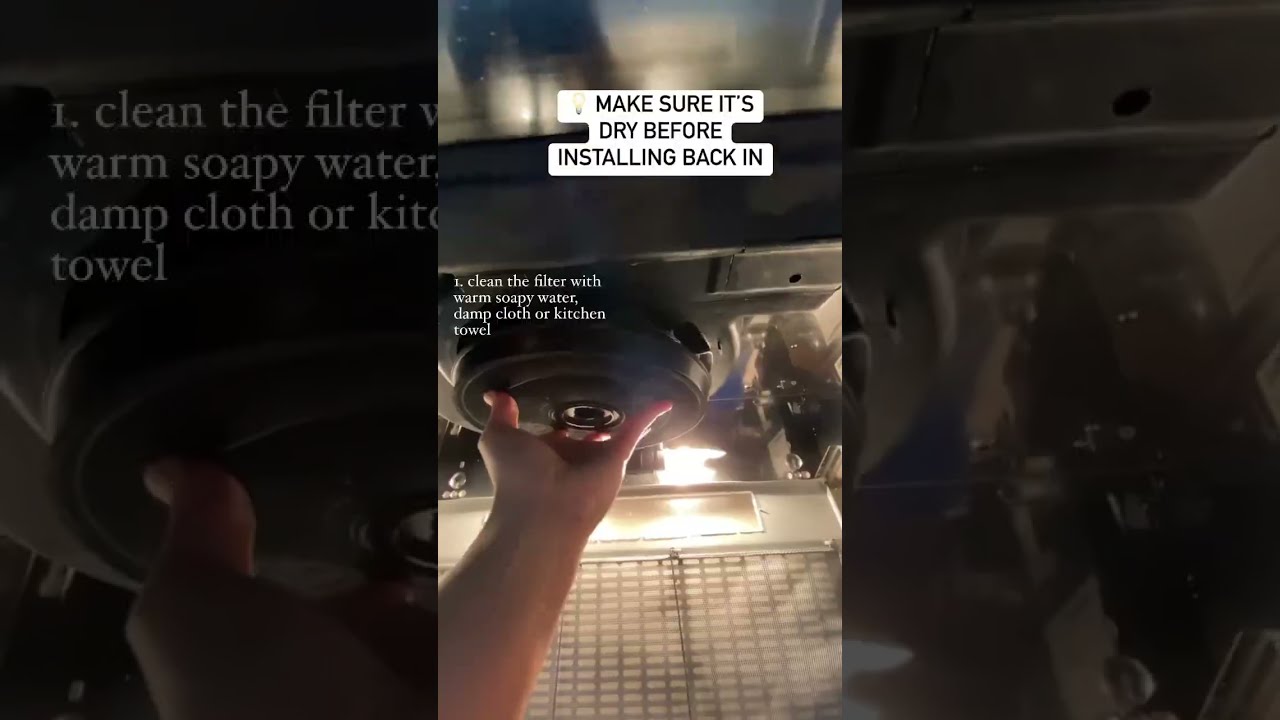
- Filter Cleaning: This is the single most important step. Most range hoods use removable mesh filters. These filters must be washed regularly. If they are clogged, the hood can’t breathe properly, leading to poor performance.
- Tip: Use hot, soapy water and a stiff brush. For heavy buildup, soaking them in a diluted vinegar solution overnight can soften the grime.
Deep Cleaning the Components
Every few months, the hood needs a more intensive deep clean that goes beyond a simple wash.
- Filter Deep Clean: If the filters are heavily coated, consider soaking them in a commercial degreaser designed for kitchen equipment. Never let them dry in place; always wash them thoroughly. Grill and Vent Cleaning: Inspect the actual venting connections and any visible motor components. These areas are often neglected and can harbor deep-seated grease that requires a specialized degreaser and scrubbing. Professional Help: Don't be afraid to call a professional once or twice a year. They have specialized tools and knowledge for tackling the toughest spots. As one seasoned appliance technician told me, "A professional cleaning isn't a luxury; it’s preventative medicine for your appliance."
Beyond the Wipe: Long-Term System Health
Preventing grease buildup isn't just about cleaning; it's about treating the entire ventilation system as a living, breathing entity. Neglecting the ducts and the motor can make all your cleaning efforts feel like whistling past the graveyard.
Understanding Your System's Mechanics
A proper range hood system consists of three main parts: the filter (captures grease), the https://go.bubbl.us/f29abb/64d3?/Bookmarks motor/blower (moves air), and the ducting (exhausts air outside). If any one of these is compromised, the whole system fails.
- The Ductwork Check: If your range hood vents through ductwork in your wall or ceiling, these ducts can become clogged, restricting airflow and making the fan work harder—and less efficiently. If you can access the duct, inspect it for visible buildup. Maintenance of the Motor: Over time, the motor can lose efficiency. Listen for unusual noises; a straining, whining sound might indicate a motor that is fighting against excess resistance (like a clogged damper or duct). Addressing the Root Cause: Sometimes, the grease buildup is a symptom of a larger issue, such as poor kitchen layout or an inadequate hood size for the cooking intensity. If you find yourself constantly fighting smoke, perhaps it's time to reassess the capacity of your unit.
Making Your Selection Count
Remember that the ultimate goal is not just to clean the grease, but to maintain the efficiency of the entire system. Think of the hood like a snorkel mask: if it's clogged, you can't breathe, no matter how much you try to power it up.
- The Golden Rule: Never run a high-powered range hood system with clogged filters or restricted vents. It’s like trying to pour water through a strainer full of rocks—it just won't work. Embrace the Process: Preventing grease buildup in your range hood is less about scrubbing and more about establishing a routine. It requires vigilance, but the payoff is a healthier kitchen and a more enjoyable cooking experience.
By integrating these simple, consistent habits—from washing the filters daily to checking the ductwork annually—you can keep your kitchen air crisp, clean, and free from sticky grime. Isn't it amazing how a little bit of routine maintenance can save you from hours of elbow-grease-stained scrubbing? Start today, and let your range hood breathe easy!