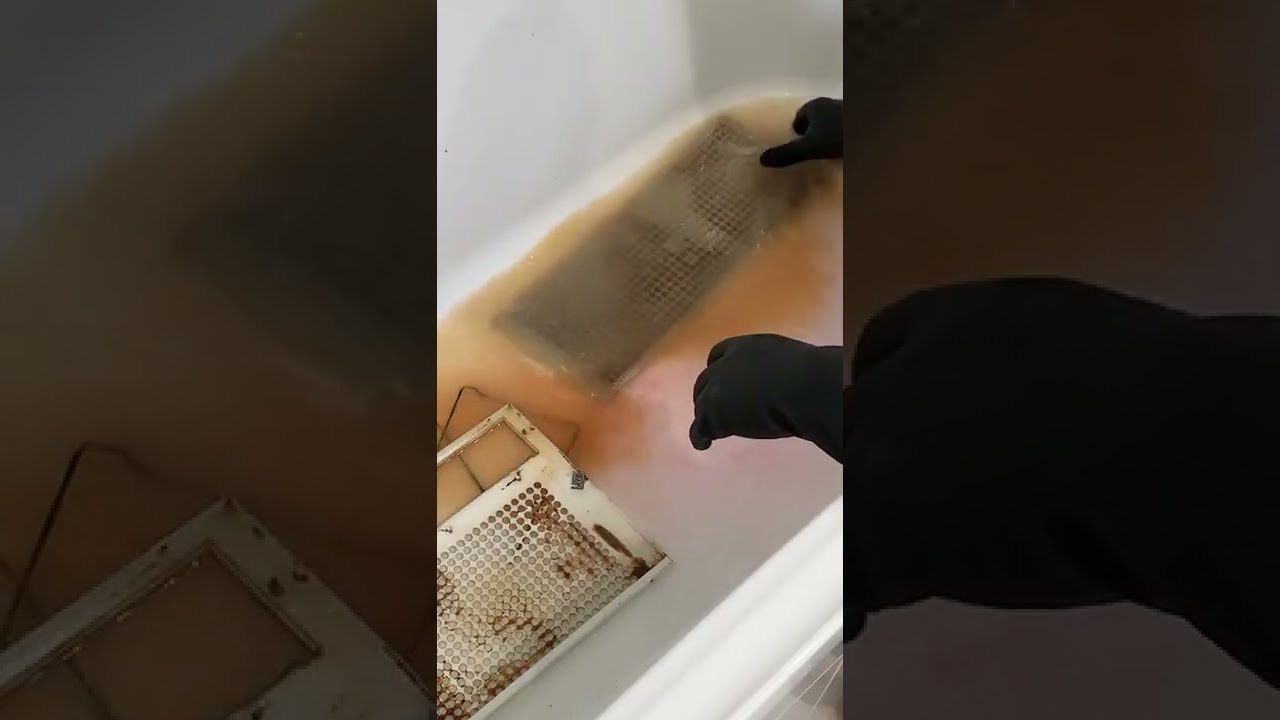
Running a restaurant is a high-stakes performance art. You are juggling sizzling spices, screaming ovens, and the constant, delightful chaos of a busy service. But behind the curtain of culinary brilliance lies a critical, often overlooked piece of infrastructure: the rangehood. This isn't just a metal box that collects smoke; it is a complex, high-risk piece of commercial equipment. Ignoring its upkeep is like trying to write a gourmet meal with a dull pencil—eventually, something goes wrong.
The proper rangehood maintenance schedule for restaurants NSW isn't merely a suggestion; it is a legal mandate, an operational necessity, and a vital component of risk management. This comprehensive guide will walk you through the precise steps, legal requirements, and best practices to ensure your kitchen remains compliant, safe, and running smoothly, keeping your focus where it belongs: on the perfect plate.
Why Grease Traps and Filters Are Not Just 'Dirty'
Before diving into the schedule, we must understand why this maintenance is so paramount. Grease and accumulated particulate matter are not just unsightly; they are highly combustible. They are the tinderbox waiting for a match.
Legal and Regulatory Obligations in NSW
In New South Wales, commercial kitchens operate under strict health and safety guidelines. Failure to maintain your rangehood can lead to fines, operational shutdowns, and, worst of all, liability https://emiliommeu718.lowescouponn.com/the-comprehensive-guide-to-getting-a-perfect-hygiene-rating-for-commercial-kitchens issues. The law views a poorly maintained rangehood as an unacceptable fire hazard.

- Compliance is non-negotiable: You must prove due diligence. Having a written, followed rangehood maintenance schedule for restaurants NSW is your primary defense. Insurance implications: If a fire occurs and your maintenance records are incomplete, your insurance claim could be severely jeopardized. The "Fire Code" perspective: The local council and Fire Brigade view this system with the utmost seriousness. Treat it with the respect it deserves, or you might find yourself spending more time talking to inspectors than with your sous chef.
The Operational Risks of Neglect
When the system is neglected, the risks escalate far beyond a simple mess. We are talking about potential catastrophic failures. A buildup of grease acts like a slow-motion fuse.
One anecdote I recall from a high-end bistro in Sydney involved a near-disaster. The owner, confident in their kitchen's reputation, had let the filters accumulate grease for months. A seemingly minor flare-up quickly escalated because the grease was acting as a wick. It was a stark reminder that grease accumulation is not a gradual problem; it is an exponential risk.
Structuring Your Maintenance Protocol: The Three Pillars of Cleanliness
A successful rangehood maintenance schedule for restaurants NSW cannot be a one-size-fits-all checklist. It must be layered, addressing daily operational cleanliness, routine deep cleaning, and professional annual servicing. Think of it like caring for a beloved athlete—they need warm-up exercises, regular training, and specialized recovery days.
Daily and Weekly Operational Checks (The Quick Wins)
These tasks are the responsibility of the kitchen staff and are the foundation of safety. They prevent minor issues from becoming major ones.
- Filter Cleaning: Grease filters must be emptied and cleaned daily, or at minimum, every other day during peak service. Use appropriate, non-abrasive degreasers. Visible Grease Removal: Wipe down visible grease build-up on the hood exterior and surrounding surfaces. Ventilation Inspection: Check that the exhaust fans are operating at full capacity and that the intake vents are clear of obstruction.
Quarterly and Semi-Annual Deep Cleans (The Deep Dive)
These are tasks that require dedicated time and often specialized equipment. They are the deep cleansing routines that go beyond the visible surface.
- Ductwork Inspection: Periodically, a trained professional must inspect the visible ductwork for internal buildup. This is where the thick, sticky stuff likes to hide. Grease Extraction System Check: Verify the functionality of your grease trap system. Is it flowing correctly? Is it backed up? The "Mighty Scrub": A thorough cleaning of the hood body and all removable components, ensuring that no sticky residue remains.
Annual Professional Servicing (The Expert Touch)
This is the most critical, non-negotiable part of the schedule. You cannot, and should not, attempt this yourself.
- Professional Cleaning: A certified commercial cleaning service must be engaged to dismantle, clean, and reassemble the entire system. They have the industrial-strength equipment necessary to tackle years of buildup. System Integrity Check: The service provider should perform a full check of all electrical components, fans, and structural elements to ensure the system is structurally sound. Documentation: Always obtain a detailed report and a signed checklist. This paperwork is your golden ticket should an inspection or incident ever occur.
Maintaining the Culture of Cleanliness
Ultimately, the best maintenance schedule in the world is useless if the staff doesn't buy into it. Safety and cleanliness must be woven into the fabric of your kitchen culture.
- Staff Training: Every new employee must undergo mandatory training on proper grease handling, spill management, and the specific protocols for the rangehood area. Equipment Management: Ensure all staff know the difference between a standard cleaning agent and a specialized degreaser. Using the wrong chemicals can damage expensive components. The "Why" Conversation: Don't just tell staff what to do; explain why they are doing it. Reminding them that their diligence prevents a potential fire hazard transforms the chore from a burden into an act of professional care.
As one safety expert once noted, "Maintenance is not an expense; it is an insurance policy against disaster." It is a proactive investment in your business's continued operation.
Future-Proofing Your Kitchen’s Performance
The last thing you want is your HVAC system to fail during a busy Friday night rush. Your kitchen infrastructure is the backbone of your business; it needs constant attention, like a finely tuned engine. By adhering meticulously to the rangehood maintenance schedule for restaurants NSW, you are not just ticking boxes for compliance; you are protecting your reputation, your bottom line, and the safety of your entire team.

Remember that preparation is the secret ingredient to smooth service. By treating your rangehood with the care it deserves—from the daily wipe-down to the annual professional service—you ensure that the only smoke you see is the delicious kind, and the only thing that breaks down is the perfect, sold-out reservation list. Take action today to review your current maintenance protocols and schedule your next professional deep clean. Your kitchen deserves nothing less than pristine performance.